Use Transparency to add depth, light, and color to your paintings!
Transparency is one of the most exciting tools a painter can use. It allows light to pass through layers of color, creating depth, richness, and subtle color blends that can’t be achieved with thick paint alone. Whether you paint with watercolor or acrylics, understanding transparency can completely change the way your paintings look and feel.
To use transparency well, it helps to understand how it differs from opacity. Opaque paint blocks what’s underneath it, while transparent paint allows lower layers to show through. Learning when to let layers show—and when to cover them—gives you much more control over color and mood in your artwork.
Using Transparency in Watercolor
Watercolor is naturally transparent, making it perfect for exploring this technique. The more water you mix into your paint, the lighter and more transparent the color becomes. Light washes allow the white of the paper—or earlier layers—to shine through, creating a glowing effect.
Instead of trying to make colors darker by using thicker paint, watercolor artists often build value by layering transparent washes. Each layer must dry completely before the next one is added to keep colors clean and luminous.
This adult student does an excellent job of using transparent layers in this watercolor portrait. To create the lightest areas of the painting, she uses very transparent washes, and to create darker areas, she layers transparent blue paint over the orange to create shadows.
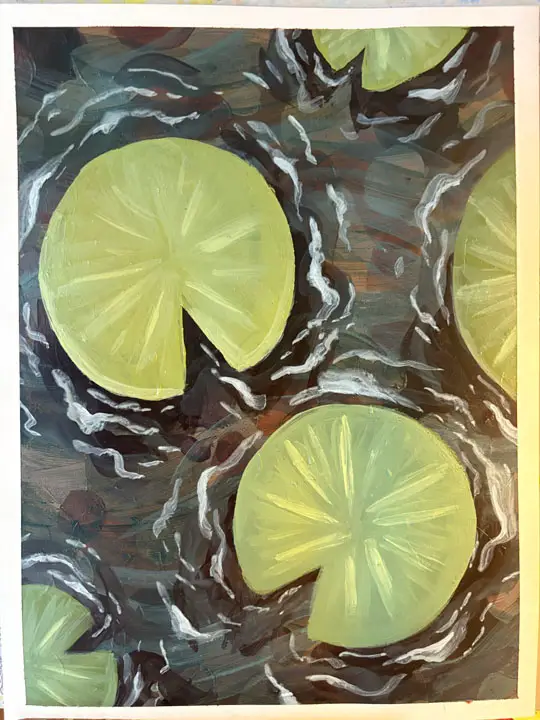
In this acrylic painting, a glazing medium is used to create a transparent layer of water over the river rocks and pebbles. By painting the lily pads very opaque over the water, it creates a sense of depth between the lily pads and the rocks below.
Using Transparency in Acrylic Painting
Acrylic paint is naturally more opaque, but it can easily be made transparent by using acrylic mediums. Acrylic glazing medium or matte/gel mediums thin the paint without weakening the pigment the way water can. This allows you to build smooth, transparent layers that stay vibrant.
While water can be used to thin acrylics slightly, too much water can weaken the paint film. Mediums are the best choice when you want controlled transparency and strong color in your layers.
What Is Glazing?
Glazing is the technique of applying thin, transparent layers of color over dry paint. As each layer builds, the colors visually mix with the layers underneath, creating depth and subtle color shifts. Rather than blending paint together on your palette, glazing lets colors mix optically right on the canvas or paper.
This technique is often used to add richness to shadows, warmth to highlights, or to adjust color without repainting an entire area. Glazing works beautifully in both watercolor and acrylic painting.
Tips for Using Transparency and Glazing Successfully
Start with a solid base color before adding transparent layers.
Apply thin layers of paint, thinning with water (for watercolor) or acrylic mediums (for acrylics).
Let each layer dry completely before adding another to avoid muddy colors.
Build color slowly, using multiple transparent layers instead of one heavy one.
Think about color interaction—transparent colors mix visually with what’s underneath them.
Test your colors first to see how transparent they are when layered.
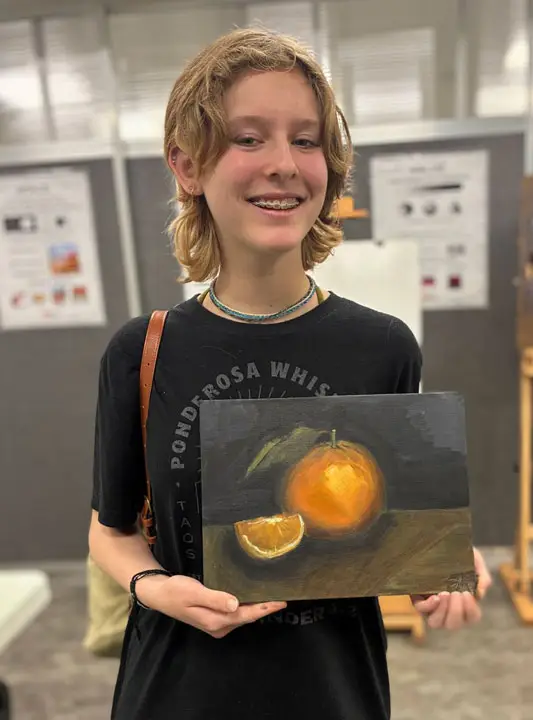
This teen student used glazing techniques to create this beautiful acrylic still life painting. By beginning the painting with just black and white, she was able to establish value, before adding color through a transparent glaze.
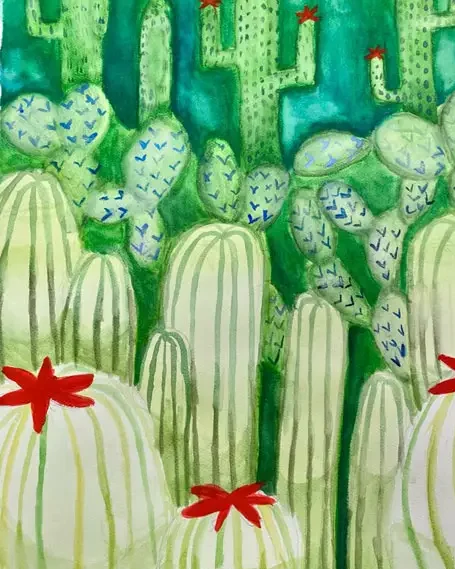
In this watercolor painting, the artist creates a great sense of depth with transparency. The cacti in the foreground are very transparent, but they become increasingly more opaque towards the background, making the cactus in the front seem much brighter.
Bringing Light and Depth into Your Paintings
Transparency allows painters to work with light rather than covering it up. By layering thin washes, experimenting with glazing, and paying attention to how colors interact, you can create paintings that feel luminous, rich, and full of depth. With practice, transparency becomes a powerful way to add complexity and beauty to your work—one layer at a time.